
Local Stories, Tips, and Hidden Gems.
At Corf Travel, we’re the boots on the ground.
This page is our unfiltered notebook—a place where we share the stories, secret paths, and local tips that define the region. We’re here to help you discover the area like a VIP, providing you with the "real deal" knowledge you won't find on a standard tour.
No fluff, no crowds, and definitely no selfie-sticks—just the Cotswolds, exactly as they are.
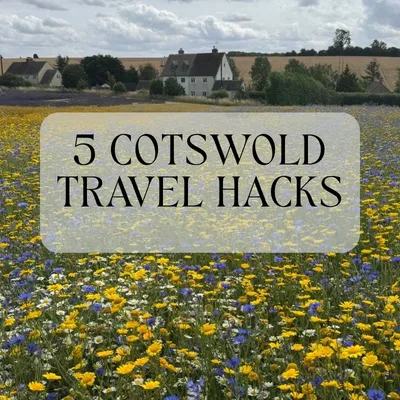
Dreaming of a perfect Cotswolds escape?
Don't just visit – experience it like a local! As your guide to the real Cotswolds, I'm sharing my top 5 hacks to make your trip unforgettable and help you beat the crowds.
Hack 1: Master Your Timing ⏰
The Cotswolds is loved worldwide, and for good reason! But popularity means crowds.
Pro-Tip: Plan visits to iconic spots during off-peak hours (early mornings are magical!) or by weekdays. Plus, some of the most stunning experiences, like vibrant wildflower meadows or cosy pub fires, are seasonal. A little planning ensures you catch the Cotswolds at its finest, giving you a truly relaxed and idyllic trip.
Dates for note ✏️
- Bluebell woods -(March-May)
- Cheltenham Jazz Festival (May)
- Badminton Horse Trials (May)
- Coopers Hill Cheese Rolling (May)
- Garden Openings (Various)
- Summer (June - August)
- Cotswold Lavender Fields (June-August)
- Giffords Circus (May-September)
- Tewkesbury Medieval Festival (July)
- RIAT - Royal International Air Tattoo (July)
- The Big Feastival (August)
- Spectacle of Light at Sudeley Castle (December-January)
- Blenheim Palace Christmas Events (November-January)
Hack 2: Discover Hidden Gems ✨
Beyond the postcards, there's a whole Cotswolds waiting! Skip the queues and find equally breathtaking, less-travelled spots.
How to: Whether you book a local guide (like me at Corf Travel!) who knows all the secret nooks, follow dedicated Cotswold influencers, or just dive deep into your own research, you'll uncover amazing locations and experiences that offer all the charm without the crowds.
Hack 3: Navigate Low Convenience Realities 🚗
Embrace the rural charm, but be prepared! Many parts of the Cotswolds have limited taxi and Uber services, and takeaway delivery options can be scarce or non-existent.
My Advice: Plan your transport in advance, consider hiring a car if you're not on a guided tour, and enjoy the local dining scene directly!
Top tips
- Visiting without a car? Join Facebook group ‘Traveling the Cotswolds without a car
- If you want to ditch the designated driver ask for taxi recommendations when booking meals out and pre book to avoid getting stuck!
- Corf Travel offers travel packages, including airport or city transfers, full and half day tours and transfers for lunch and evening plans - sit back and relax with all your travel sorted ✅
Hack 4: Embrace the Walks 🚶♀️
The best way to truly soak in the Cotswolds' green countryside is on foot! Whether you're conquering stretches of the famous Cotswold Way or simply exploring serene public footpaths, walking offers unparalleled views and tranquility.
Free Resource: Check out cotswolds-nl.org.uk for fantastic free resources to help you discover countless routes by foot.
Hack 5: Be Smart with Opening Hours 🍻
Escaping city life means embracing a different pace! Country pubs and charming restaurants often have specific opening days and hours, and they might not be open all day.
Don't Get Caught Out! Always check opening hours in advance and pre-book where you can, especially for dinner. This avoids disappointment and guarantees you a spot at those coveted local eateries.
Ready to explore the Cotswolds like a seasoned traveller? Follow @CorfTravel for more insider tips, stunning local spots, and guided tours that take you off the beaten path!
Quennington: History Along the River Coln
Nestled in the gentle Coln Valley, just east of Cirencester, the village of Quennington is one of those rare places where history is not simply recorded in books but woven into the cottages, inns, and lanes that make up its heart. Though small in size, the village and its neighbors tell a story that stretches from medieval knights to modern village life.
Knightsgate and the Medieval Order
Quennington’s most evocative link to the past lies in its connection to the Knights Hospitaller, the religious and military order that once held land across England. By the 12th century, Quennington had become a preceptory—a local estate managed by the order—which gave it both spiritual and economic significance.
Reminders of this legacy are still felt at Knightsgate, where the name itself recalls the order’s presence. In the Middle Ages, the Hospitallers would have collected rents, farmed the land, and provided charity for the poor, linking this quiet valley to the great sweep of Crusader history.
The Keeper’s Arms: The Village Pub
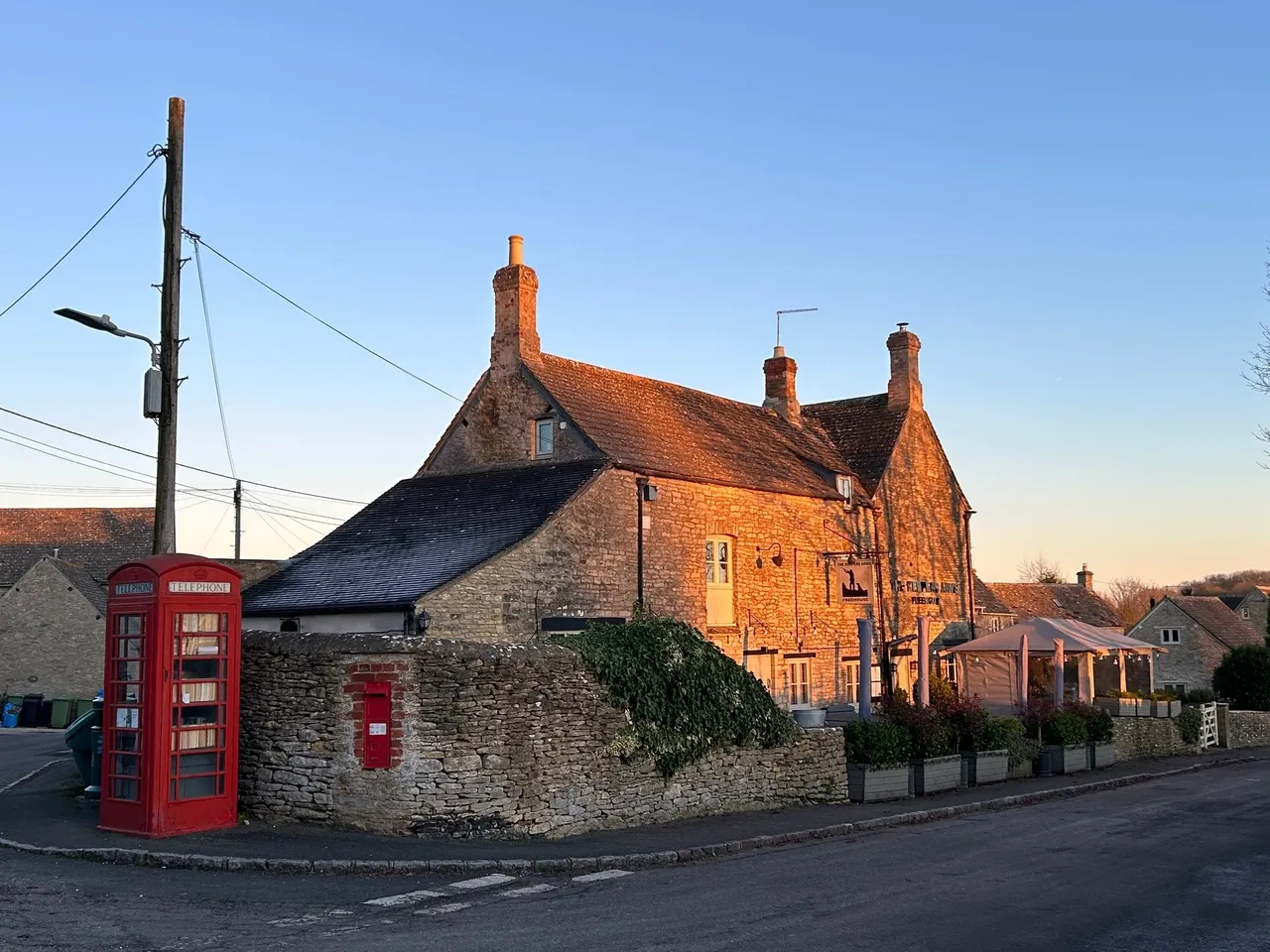
Every Cotswold village needs its pub, and for Quennington it is the Keeper’s Arms. More than just a watering hole, it stands as a community hub—a place where stories are traded as freely as pints. While the current building is largely 18th and 19th century in fabric, its role has always been central to village life, continuing a tradition that likely stretches back to when Quennington’s farmers and stonemasons first needed a place to gather after work.
Coln St. Aldwyns (Colne St. Olwins)
Just downstream along the River Coln lies Coln St. Aldwyns—historically known in older dialects as “Colne St. Olwins.” Its church, St. John the Baptist, stands on Saxon foundations, with medieval rebuilding and later Victorian restoration. This parish once held market rights in the Middle Ages, though the dream of becoming a bustling trading center never fully came true. Instead, it remained an agricultural village, tied closely to Quennington through farming, family, and faith.
The New Inn and Coln
In nearby Coln St. Aldwyns, the New Inn adds another layer to local history. Once a coaching inn and now a thriving country pub and hotel, it reflects the shift from horse-drawn travel to modern leisure. In its time, the inn would have been a place for weary travelers to pause on their way through the Coln Valley, much like the Keeper’s Arms in Quennington serves locals today.
The Post Office and Village Life
For much of the 19th and 20th centuries, the village post office was as vital to life here as the church or pub. It served not only as a place for letters and parcels but as a meeting point where news from the wider world filtered into the valley. In an era before telephones—or even reliable roads—the post office kept Quennington connected.
A Landscape of Continuity
Beyond buildings and names, the real history of Quennington is written in its fields and rivers. The ridge-and-furrow patterns of medieval ploughing can still be seen in places, while the River Coln itself, a crystal-clear chalk stream, has sustained life here for over a thousand years.
Even today, the walk between Quennington and Coln St. Aldwyns follows tracks that have scarcely changed since the Middle Ages. Cottages of golden Cotswold stone, drystone walls, and parish churches all stand as guardians of a way of life that endures.

Perched high on the rolling hills above the Vale of Evesham, Cotswold Lavender fields at Snowshill offers one of England’s most spellbinding summer experiences. The best time to visit cotswold lavender is from mid-June through early August, over 40 varieties of lavender burst into bloom, transforming the landscape into a painter’s palette of purples, blues, and soft mauves, humming with bees and drenched in the heady scent of summer.
Whether you’re a photographer, a nature lover, or just seeking peace among the flowers, a visit to these lavender fields near Broadway is truly unforgettable.
The Lavender Fields: A Purple Paradise
The heart of the experience is, of course, the Cotswold Lavender fields themselves. Grown on the family-run Hill Barn Farm, these rows of carefully cultivated lavender stretch over 70 acres, each field slightly different in hue and height depending on the variety. You’re free to walk right into the fields, breathe in the calming aroma, and get lost among the blooms.
In peak bloom—usually late June to mid-July—the fields are vibrant and alive. Bees dance from flower to flower, butterflies flicker past your shoulder, and everywhere you turn is a photo opportunity. It’s not unusual to see artists sketching or plein air painting, or simply visitors sitting in silence, soaking in the purple serenity. These astonishing lavender fields Broadway area, are pure magic!
Wildflower Meadows: A Pollinator’s Playground
Just beyond the lavender lies a hidden gem: vivid wildflower meadows, planted intentionally to support biodiversity. These fields, brimming with native British species like cornflowers, poppies, ox-eye daisies, and knapweed, ripple with colour and movement.
The scent shifts here—less perfumed, more earthy and meadow-sweet—and it’s a joy to pause and watch clouds of butterflies and bees move between species. The contrast between the cultivated neatness of the lavender and the natural sprawl of the wildflowers makes for a magical pairing.
Benches and mown paths are thoughtfully placed throughout, making it easy to linger.
The Viewpoint Over the Vale of Evesham
Don’t miss the viewpoint—a lesser-known highlight but easily one of the best spots in the entire Cotswolds. From the higher fields, on a clear day, you can gaze out across the Evesham Valley, with the Malvern Hills in the distance and even the Welsh borders faintly visible beyond. The panoramic view is stunning at any time of day, but especially at golden hour, when the sun brushes the lavender tips and wildflowers with a warm glow.
It’s the perfect spot to pause with an ice cream or a cup of tea from the Cotswold Lavender tearoom, which serves locally made treats (lavender shortbread, anyone?) and cold drinks ideal for summer wandering.
What to Know Before You Go
- Opening Season: Typically mid-June to early August (check the official site for exact dates).
- Opening Hours: 10am–5pm daily during the season.
- Admission: There’s a small entry fee; children under 5 go free.
- Facilities: Onsite parking, toilets, café, plant and gift shop (including lavender oils and skincare made on-site).
- Accessibility: Paths are mown but uneven; good for sturdy shoes and suitable for pushchairs or wheelchairs in dry weather.
After the Lavender: Snowshill Village
Just a short drive—or a very scenic walk—downhill from the lavender farm lies Snowshill, one of the Cotswolds’ most charming and unspoilt villages. Nestled in a quiet fold of the hills, it feels frozen in time, with honey-coloured stone cottages, climbing roses, and an almost total hush apart from birdsong.
Make time to visit Snowshill Manor, a National Trust property famous for its eccentric collection of curiosities gathered by Charles Paget Wade, from samurai armour to antique toys. Even just strolling the village lanes offers a peaceful contrast to the sensory richness of the lavender fields.
The village church, St. Barnabas, is beautifully kept and offers lovely views over the rooftops and hillsides beyond.
A Perfect Day in the Cotswolds
Start your day amid the lavender and wildflowers at Hill Barn Farm, taking your time through the fields, enjoying the views and perhaps picking up some fragrant souvenirs. Then, after a break in the tearoom, wander down to Snowshill village for a quiet stroll or a manor house visit. It’s the kind of day that lingers in your senses long after—the scent of lavender in the air, the buzz of bees, and views that stretch to the horizon.
Whether you’re planning a Cotswolds getaway or looking for a single extraordinary day trip, Cotswold Lavender at Snowshill is an experience not to be missed.
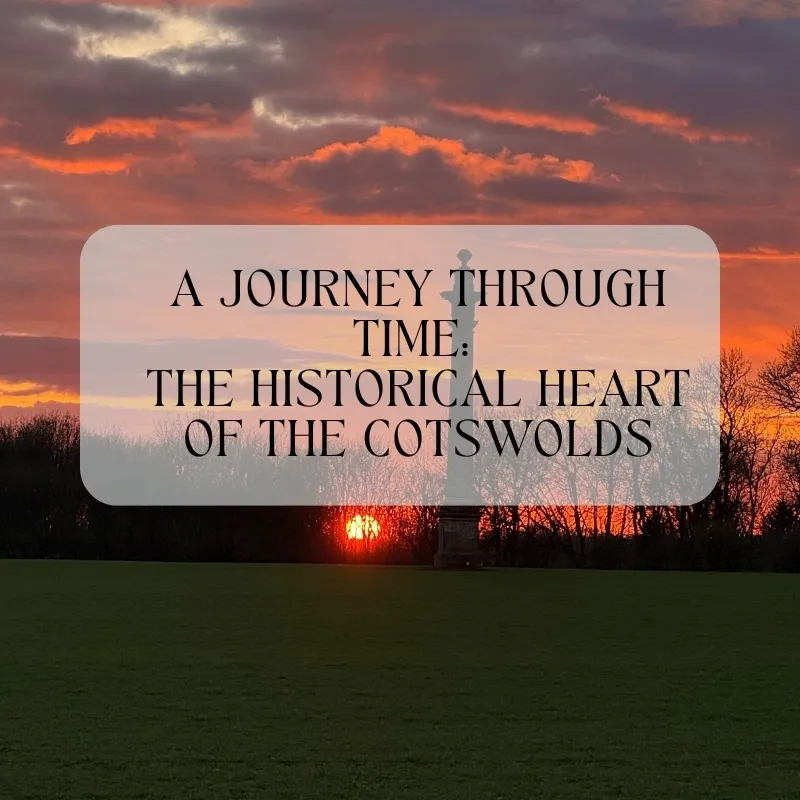
Tucked into the rolling hills of south-central England, the Cotswolds are known today for golden-stone villages and picture-perfect countryside — but beneath the beauty lies centuries of gripping Cotswold history. From Roman villas to Civil War battlefields, this area has been a stage for empires, revolutions, and royal ambitions. Here’s your guide to the history of the Cotswolds.
Roman Foundations
The Romans saw the value of the Cotswolds early on — fertile lands, proximity to key trade routes, and valuable resources like iron and wool.
- Corinium Dobunnorum (modern-day Cirencester) was the second-largest Roman town in Britain, only behind Londinium. You can still visit:
- The Corinium Museum – filled with mosaics, coins, and artefacts from Roman homes and baths.
- The Roman Amiptheathre - Originally could host up to 8,000 spectators, this impressive site takes you back to gladiatorial times in the second largest Roman settlement in the UK.
- Chedworth Roman Villa – one of the largest and most elaborate Roman villas in Britain. Its well-preserved mosaics and bathhouse tell of a wealthy estate at the heart of Roman life in the Cotswolds. A new excavation of a new mosaic has been discovered that dates back to AD500 which is 90 years after the Romans were believed to have left the UK in AD410. This discovery could change the date of fall of Roman Britain!
Medieval Wool and the Rise of the Market Towns
By the Middle Ages, the Cotswolds had become the powerhouse of England’s wool trade. The phrase “the best wool in Europe” was often applied to what came from this region. The wealth this brought is visible even now:
- Chipping Campden – a market town with a stunning wool church, St James’, and the Market Hall (built in 1627).
- Northleach and Winchcombe – home to magnificent churches often referred to as “wool churches,” built with merchant wealth.
- The famous Cotswold stone cottages and grand manor houses trace their origins to this golden age of trade.The English Civil War & the Battle of Edgehill (1642)
The peaceful scenery of the Cotswolds was dramatically disrupted by the English Civil War — a national conflict between Royalists and Parliamentarians.
- The Battle of Edgehill, fought on 23 October 1642 near Kineton (just north of the Cotswolds), was the first major battle of the war.
- Today, you can walk part of the Edgehill Battlefield Trail and visit Radway and Edgehill village, where echoes of muskets still seem to whisper on the wind.
- Edgehill Tower (Round Tower), built later, offers stunning views and a sense of the battlefield’s geography.
Elsewhere in the Cotswolds, towns like Cirencester saw Royalist control early on, only to switch sides during the conflict. You’ll find traces of Civil War history in local museums and churches — especially where bullet holes or memorial plaques survive.
Georgian & Victorian Heritage
The 18th and 19th centuries brought refinement and change:
- Cheltenham, now a Regency spa town, rose to prominence after mineral springs were discovered. Georgian terraces and promenades echo Bath’s elegance.
- Painswick, known as the “Queen of the Cotswolds,” has beautifully preserved Georgian architecture and a churchyard with 99 yew trees (legend says the hundredth won’t grow)
Arts, Crafts, and the 20th Century
The Arts & Crafts Movement also left a deep impression. In the early 1900s, designer C.R. Ashbee brought his Guild of Handicraft to Chipping Campden, and the town remains a centre of artisan craftsmanship today.
In the 20th century, the Cotswolds became a haven for writers, artists, and thinkers, drawn to its blend of serenity and timeless charm. Notables like J.M. Barrie (author of Peter Pan) and Laurie Lee (Cider with Rosie) immortalised the landscape in their works.
Must-Visit Historical Sites
- Sudeley Castle (Winchcombe) – once home to Katherine Parr, the last wife of Henry VIII. Beautiful gardens and fascinating Tudor history.
- Berkeley Castle – where Edward II met his mysterious and grisly end.
- Snowshill Manor – a National Trust property with an eccentric collection and Tudor manor house.
- Roman amphitheatre in Cirencester – still visible in earthworks.
Final Thoughts
The Cotswolds are much more than picture-postcard villages — they are a living museum of British history. From Roman mosaics and wool merchant chapels to Civil War battlefields and royal scandals, the land remembers it all. Whether you’re walking through a quiet field or gazing at a medieval spire, you’re walking in the footsteps of emperors, rebels, poets, and kings.
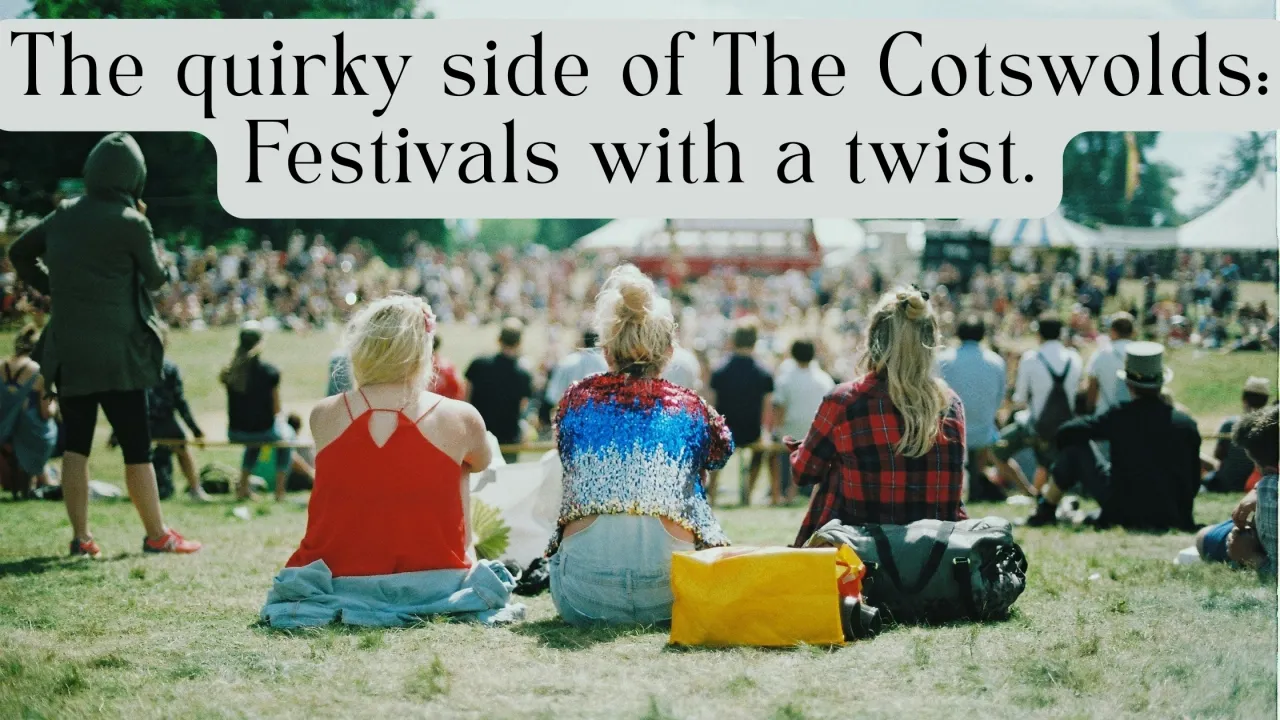
The Cotswolds may be known for its postcard-perfect villages, golden stone cottages, and rolling hills, but scratch the surface and you’ll discover a wonderfully eccentric spirit that comes alive in its local English events. From flying cheese to fancy dress races, the Cotswolds knows how to celebrate in style — and sometimes, in the most delightfully bizarre ways.
1. Cheese Rolling at Cooper’s Hill (Brockworth, Gloucester)
Perhaps the most famous of all, this annual event is as mad as it is marvellous. Every spring, crowds gather at Cooper’s Hill to watch (and often wince) as daring competitors hurl themselves down a ridiculously steep slope chasing a round of Double Gloucester cheese.
It’s fast, it’s chaotic, and it’s pure Cotswold madness. Spectators love the carnival atmosphere, and even if you’re not brave enough to join the chase, it’s worth attending just to soak up the thrill.
2. The Cotswold Olimpicks (Dover’s Hill, Chipping Campden)
Dating back to the early 1600s, this eccentric event blends history, sport, and unfiltered fun. Expect events like shin-kicking, tug-of-war, and wheelbarrow races — all held with tongue firmly in cheek. The day ends with fireworks and a torch-lit procession through Chipping Campden, making it one of the most memorable nights on the local calendar.
3. Tetbury Woolsack Races
Ever wanted to race uphill carrying a sack of wool? In Tetbury, you can. Held on Spring Bank Holiday Monday, this event sees competitors — some in costume — hauling 60lb woolsacks up a steep street. It’s a nod to the town’s wool-trading past, and the crowds lining the route make it a fun, festive day out.
4. The Big Feastival (Kingham)
For something slightly less bruising, the Big Feastival, hosted on Alex James’s farm, blends music, food, and family-friendly fun. With top chefs, big-name bands, and activities for all ages, it’s a modern festival with a Cotswold twist — and yes, there’s plenty of cheese involved here too.
5. Giffords Circus (Various Cotswold Locations)
This whimsical travelling circus, beloved by locals, brings magic and mayhem wherever it sets up its big top. With live music, original theatre, acrobatics, and traditional circus arts, it’s a celebration of creativity — set against a charming rural backdrop. Don’t be surprised if you leave grinning from ear to ear.
Why We Love These Events
These quirky Cotswolds events aren’t just for laughs (though they certainly deliver those) — they’re a celebration of community, history, and the wonderfully eccentric character of the Cotswolds. For visitors, they offer a glimpse into the local spirit — one that doesn’t take itself too seriously and welcomes everyone with open arms (and maybe a flying cheese wheel).
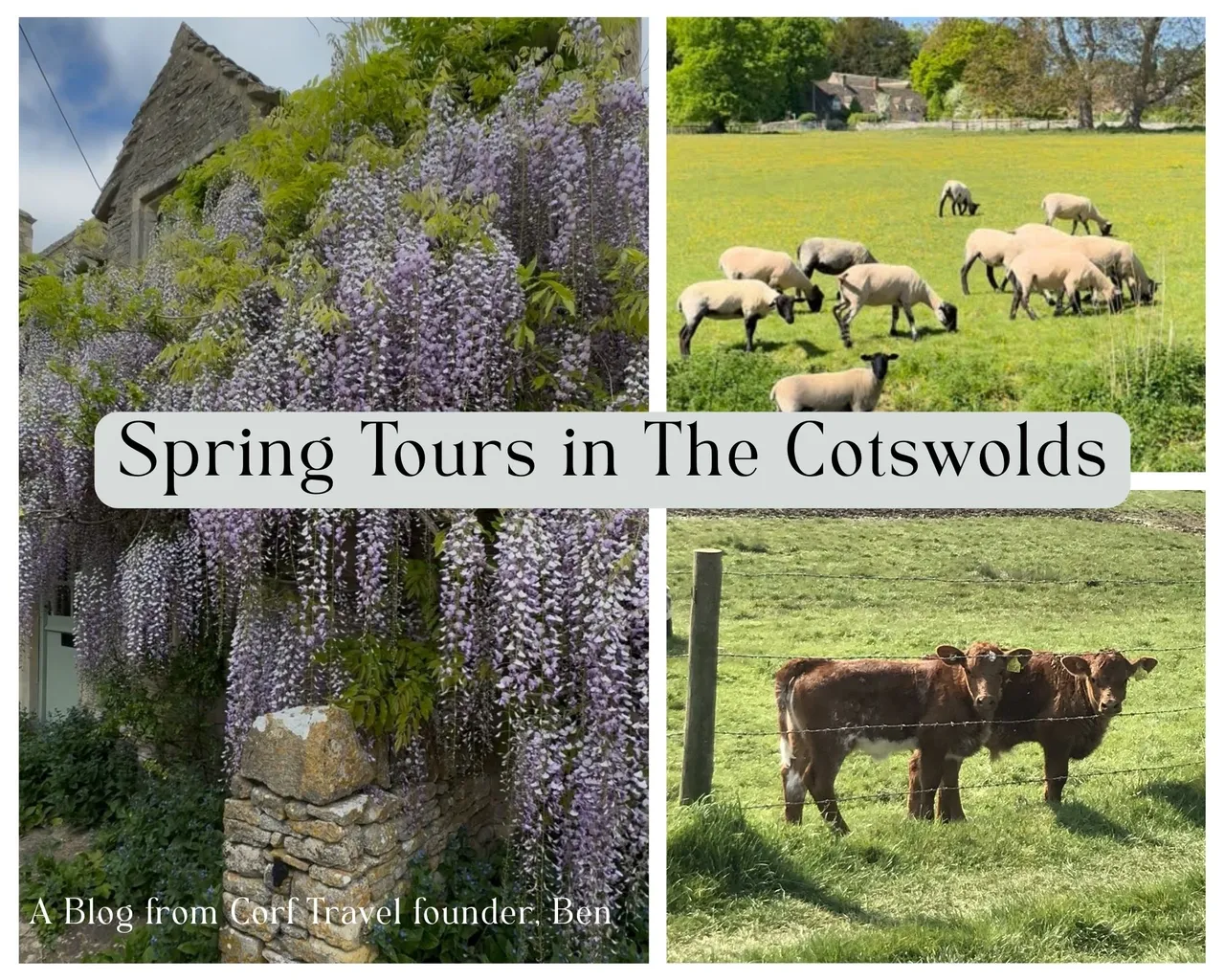
There’s something truly magical about springtime in the Cotswolds. As the frost of winter melts away, the region wakes in a riot of colour, fragrance, and life. For those lucky enough to join our tours in Spring, it’s a season to remember.
One of spring’s greatest joys is the stunning display of wisteria cascading down centuries-old stone cottages. In villages like Bibury, Bourton-on-the-Water, and Castle Combe, the lilac and violet blooms have clung elegantly to honey-hued walls, creating scenes so picturesque they feel like a dream. These blooms, gently swaying in the breeze, have made perfect backdrops for photos and quiet moments of appreciation alike.
Along the tree-lined lanes and village greens, the horse chestnut trees have been in full flourish—proud and stately, their towering forms topped with upright candles of white and pink flowers. Beneath them, carpets of bluebells and celandines, primroses and wild garlic have painted the countryside with delicate pastels and soft whites, each plant a testament to the richness of the season.
From daffodils and tulips in well-tended gardens to the cheerful scatter of daisies in meadows, the Cotswolds landscape bursts into colour in Spring with a confidence and exuberance only the Cotswolds can deliver.
Our tours are always a delight to lead, but there's something quite special about Spring in the Cotswolds. Each stop offering something fresh to admire, as flowers burst into bloom, lambs play in the fields and the birds sing in chorus. Whether strolling through arboretums, exploring ancient woodlands, or pausing for tea in a sun-drenched courtyard, tour guests are spoilt for choice.
Plan Your Visit with Corf Travel
Exploring Cirencester and the surrounding Cotswolds is best enjoyed with a stress-free and well-planned tour. Corf Travel offers private, luxury tours tailored to your interests, ensuring you experience the very best the region has to offer.
Why Choose Corf Travel?
✔️ Comfortable travel in a luxury VW T6 8-seater vehicle
✔️ Expert local guide with in-depth knowledge of Cirencester and the Cotswolds
✔️ Tailored itineraries to include all your must-visit spots
Let Corf Travel take care of the details while you relax and enjoy your adventure in Cirencester and beyond.
📩 Get in touch today to start planning your trip!
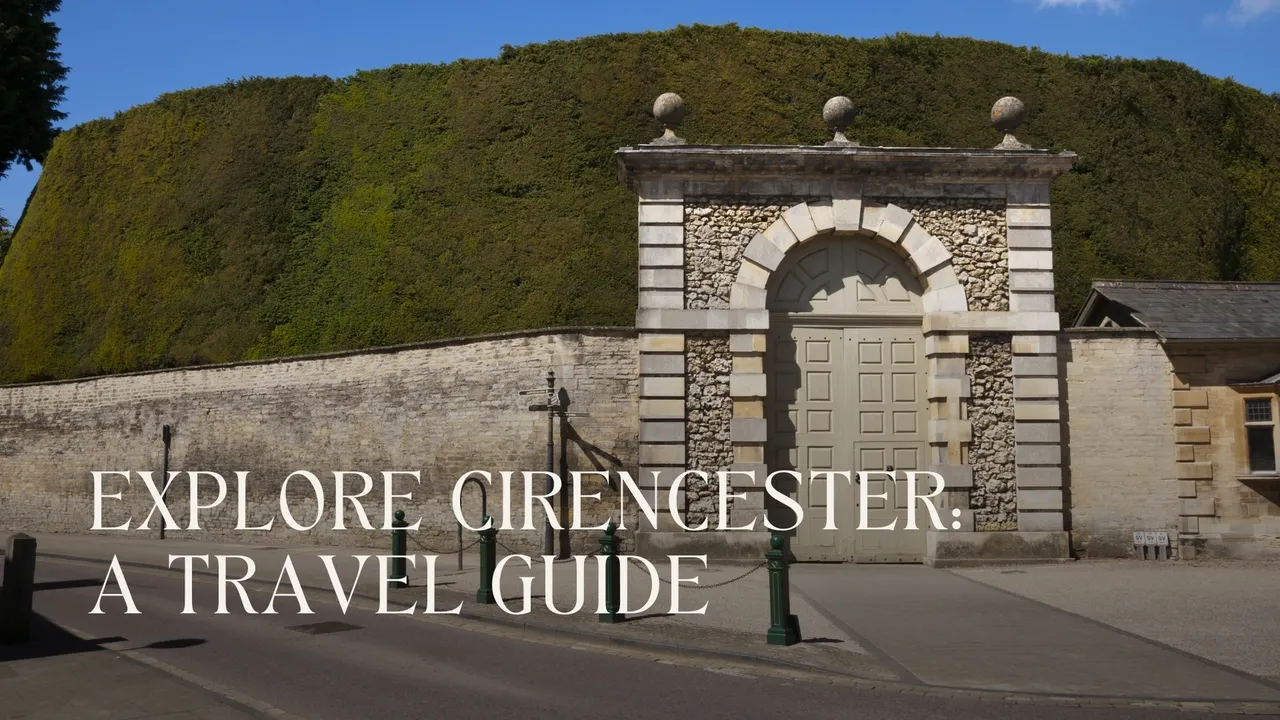
Cirencester, often referred to as the capital of the Cotswolds, is a charming market town brimming with history, culture, and stunning countryside. With its Roman roots, bustling markets, and vibrant arts scene, Cirencester is a must-visit destination for anyone exploring the Cotswolds. Whether you're interested in heritage sites, boutique shopping, or outdoor adventures, Cirencester offers something for every traveller.
Things to Do in Cirencester
1. Explore the Corinium Museum
Cirencester has a fascinating Roman history, and the Corinium Museum offers a deep dive into the town’s ancient past. The museum houses an impressive collection of Roman mosaics, artefacts, and exhibits that tell the story of Corinium Dobunnorum, one of the largest towns in Roman Britain.
2. Wander Through Cirencester Park
Part of the Bathurst Estate, Cirencester Park is a stunning green space perfect for a leisurely stroll, jog, or picnic. The park’s tree-lined avenues and open landscapes make it a tranquil retreat right in the heart of the town.
3. Visit the World's Tallest Yew Hedge, Within Bathurst Estate
While exploring Cirencester Park, make sure to stop by and admire the world's tallest yew hedge, located within the Bathurst Estate. This extraordinary hedge is an iconic landmark, offering a unique natural spectacle that adds to the estate’s grandeur.
4. Discover Cirencester's Market Scene
Cirencester is home to a vibrant market culture. The Charter Market, held every Monday and Friday in the Market Place, offers everything from fresh produce to artisanal goods. The Farmers’ Market, held twice a month, is the perfect spot to pick up local cheeses, meats, and handmade crafts.
5. Admire the Parish Church of St. John the Baptist
One of the largest parish churches in England, St. John the Baptist is a must-visit. Its striking Gothic architecture, elaborate fan-vaulted ceilings, and historical tombs make it a fascinating stop for history lovers.
6. Explore Cirencester's Independent Shops and Boutiques
Cirencester is a shopping paradise, filled with independent boutiques, antique shops, and artisan stores. From high-end fashion to locally crafted goods, there’s something for everyone.
7. Indulge in Local Food and Drink
Cirencester boasts a fantastic food scene. Stop by one of the town’s cosy pubs, stylish cafes, or award-winning restaurants to enjoy traditional British dishes and locally sourced ingredients.
Plan Your Visit with Corf Travel
Exploring Cirencester and the surrounding Cotswolds is best enjoyed with a stress-free and well-planned tour. Corf Travel offers private, luxury tours tailored to your interests, ensuring you experience the very best the region has to offer.
Why Choose Corf Travel?
✔️ Comfortable travel in a luxury T5 8-seater vehicle
✔️ Expert local guide with in-depth knowledge of Cirencester and the Cotswolds
✔️ Bespoke itineraries to include all your must-visit spots
Let Corf Travel take care of the details while you relax and enjoy your adventure in Cirencester and beyond.
📩 Get in touch today to start planning your trip!

Easter weekend is the perfect time to explore the Cotswolds, with its rolling hills, charming villages, and an abundance of springtime activities. Whether you're looking for family-friendly fun, outdoor adventures, or a relaxing countryside escape, the Cotswolds has something for everyone. Here’s how to make the most of your Easter weekend in this beautiful region.
1. Go on an Easter Egg Hunt at Batsford Arboretum
Spring in the Cotswolds is truly magical, and nowhere showcases it better than Batsford Arboretum. Home to one of the UK’s largest private tree collections, the arboretum bursts into life with blooming cherry blossoms, daffodils, and fresh greenery—the perfect setting for an Easter egg hunt.
Families can enjoy a seasonal trail through the arboretum, where children can hunt for hidden Easter eggs and solve clues to win a sweet treat at the end. While the kids are busy, adults can soak in the peaceful surroundings, visit the garden centre, or stop by the Cotswold Falconry Centre next door for a chance to see birds of prey in flight.
Location: Moreton-in-Marsh, Gloucestershire
Best for: Families, nature lovers
Top Tip: Arrive early to avoid crowds and make time for a visit to the on-site café for homemade cakes and fresh coffee.
2. Take a Scenic Stroll Around Cirencester Park
If you’re looking for a peaceful way to enjoy the long weekend, a walk through Cirencester Park is a fantastic choice. Part of the historic Bathurst Estate, this beautifully maintained parkland offers miles of scenic walking trails, perfect for an Easter morning stroll.
Whether you’re looking for a gentle walk or a longer hike, Cirencester Park provides a variety of routes. The wide, tree-lined avenues and rolling meadows are perfect for spotting spring wildlife, colourful wildflowers, and even deer if you’re lucky.
For those who prefer a bit of history, Cirencester itself is a charming market town with a rich Roman past. After your walk, explore the town’s independent boutiques, artisan coffee shops, and Cirencester Parish Church—one of the most impressive wool churches in the region.
Location: Cirencester, Gloucestershire
Best for: Walkers, history enthusiasts
Top Tip: Bring a picnic to enjoy under the trees or stop by one of Cirencester’s delightful cafes for a traditional cream tea.
3. Experience Farm Life with a Cotswold Farm Tour
Easter is the ideal time to experience the countryside way of life by visiting a local Cotswold farm. Many farms offer guided tours, giving visitors a chance to see lambing season in full swing, feed the animals, and learn about sustainable farming practices.
One of the best places to experience this is Leafield Farm, where you can tour the working farm, meet the animals, and hear from the farmers who provide produce to local markets and retailers. These tours offer an authentic look at British agriculture, making them a hit with families, food lovers, and those keen to understand where their food comes from.
Location: Various locations across the Cotswolds
Best for: Families, foodies, countryside lovers
Top Tip: Book your farm tour in advance, as Easter weekend can be a busy time for visitors.
4. Try Kayaking at Cotswold Water Park
For those who love a bit of adventure, Cotswold Water Park is the ultimate outdoor playground. With over 150 lakes, this vast area offers a range of water sports, but kayaking is one of the best ways to explore the calm, picturesque waters.
During Easter, the weather is usually mild enough for a kayaking trip, allowing you to paddle through peaceful waters while taking in the surrounding wildlife and countryside. If you’re visiting with family or friends, you can also try stand-up paddleboarding, canoeing, or even a boat trip.
Location: South Cerney, Gloucestershire
Best for: Adventure seekers, water sports lovers
Top Tip: Wear layers and book your kayak rental in advance to secure your spot.
Plan Your Easter Weekend with Corf Travel
Exploring the Cotswolds over Easter is even better when you can sit back, relax, and enjoy the scenery without worrying about transport. That’s where Corf Travel comes in—offering private guided tours to help you discover the very best of the Cotswolds at your own pace.
With a comfortable 8-seater vehicle and an expert local guide, Corf Travel can take you to all the top Easter weekend spots—whether that’s a farm tour, a scenic stroll, or an outdoor adventure.
Make this Easter truly special by booking a tailor-made Cotswold tour and discovering the magic of spring in the countryside.
Contact Corf Travel today to plan your perfect Easter escape in the Cotswolds.

The Cotswolds is one of England’s most picturesque and quintessentially British destinations, offering rolling green hills, historic villages, and charming country pubs. Whether you are drawn to its honey-coloured stone cottages, centuries-old market towns, or the tranquil beauty of the countryside, the Cotswolds is the perfect place to experience classic British charm.
Timeless Villages and Historic Towns
No visit to the Cotswolds is complete without exploring its charming villages and historic market towns. Bourton-on-the-Water, often called the ‘Venice of the Cotswolds,’ is famous for its low stone bridges crossing the River Windrush. Bibury, home to the famous Arlington Row cottages, offers one of the most photographed scenes in England. Stow-on-the-Wold, with its antique shops and cosy tea rooms, exudes old-world charm, while Chipping Campden boasts stunning historic architecture and a vibrant market scene.
Each village tells a story of England’s past, with historic churches, manor houses, and local traditions that have remained unchanged for centuries. Walking through these villages feels like stepping back in time, offering visitors a true taste of classic British life.
Traditional British Pubs and Afternoon Tea
A visit to the Cotswolds would not be complete without indulging in some classic British food and drink. Traditional country pubs serve up comforting dishes such as fish and chips, steak and ale pie, and the famous Sunday roast. The Swan in Bibury, The Feathered Nest in Nether Westcote, and The Porch House in Stow-on-the-Wold are just a few of the welcoming inns where visitors can enjoy a hearty meal by a roaring fire.
For those who prefer a more refined experience, a traditional afternoon tea is a must. Whatley Manor and The Lords of the Manor Hotel both offer exquisite afternoon teas with homemade scones, clotted cream, and delicate sandwiches, all served with a pot of freshly brewed English tea.
Rolling Countryside and Scenic Walks
The Cotswolds is a paradise for nature lovers, offering miles of scenic walking trails through rolling hills, wildflower meadows, and ancient woodlands. The Cotswold Way, a long-distance walking trail, offers some of the most breathtaking views of the English countryside. Shorter walks, such as those around Broadway Tower, Dover’s Hill, or Painswick Beacon, provide equally stunning vistas and a chance to immerse yourself in nature.
How Corf Travel Can Help You Explore the Cotswolds
Exploring the Cotswolds is best done at a leisurely pace, allowing time to soak in the atmosphere, discover hidden gems, and experience the local culture. Corf Travel offers bespoke, private tours that make exploring this beautiful region effortless and enjoyable. With expert guides, comfortable transport, and tailored itineraries, Corf Travel ensures that you experience the Cotswolds in a way that suits your interests.
Whether you want to visit historic villages, enjoy a traditional pub lunch, or take in the stunning landscapes, Corf Travel provides a seamless and memorable experience. Let us take care of the details while you relax and enjoy the timeless beauty of the Cotswolds.
Book your Cotswolds adventure with Corf Travel today and discover the heart of classic British charm.
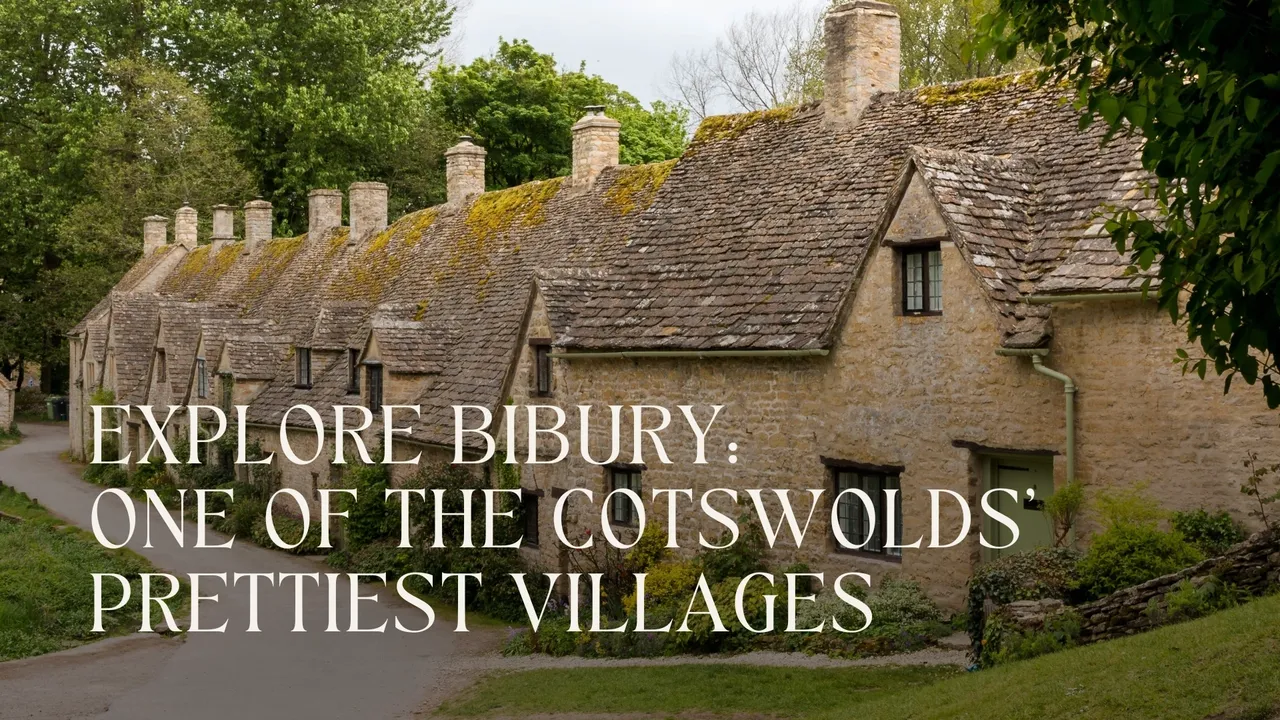
Tucked away in the heart of the Cotswolds, Bibury is often described as one of the most beautiful villages in England. With its chocolate-box cottages, historic landmarks, and tranquil countryside setting, this charming destination offers visitors a quintessential Cotswold experience. From the iconic Arlington Row to the Bibury Trout Farm, there is plenty to see and do in this picture-perfect village. Whether you're visiting for a relaxing day out or as part of a wider Cotswolds tour, Bibury is a must-see destination that captures the essence of rural England.
1. Stroll Along Arlington Row
No visit to Bibury is complete without admiring Arlington Row, a line of historic weavers' cottages that date back to the 14th century. These honey-coloured stone cottages are among the most photographed sites in the Cotswolds and have even featured on the inside cover of UK passports. Originally built as a wool store before being converted into weavers' cottages in the 17th century, Arlington Row is a true step back in time.
- Best time to visit: Early morning or late afternoon to avoid crowds and capture the best light for photography.
- Tip: The cottages are still lived in, so be respectful when taking photos.
2. Visit Bibury Trout Farm
For those interested in local food and nature, Bibury Trout Farm is a unique attraction. Established in 1902, it is one of England’s oldest working trout farms. Visitors can learn about the trout farming process, feed the fish, or even try their hand at catching their own trout.
- Opening times: Open daily, with extended hours in the summer months.
- Activities: Fishing, wildlife spotting, and a lovely on-site café serving fresh trout dishes.
- Perfect for: Families, food lovers, and those looking to experience something different in the Cotswolds.
3. Explore St Mary’s Church
For history enthusiasts, St Mary’s Church is a fascinating site that showcases beautiful Norman and Saxon architecture. The church features a stunning stained-glass window, an intricately carved stone doorway, and a peaceful churchyard filled with ancient gravestones.
- Highlights: Saxon gravestones, medieval carvings, and the beautiful church interior.
- Why visit? It’s a quiet and serene place, perfect for taking a moment to appreciate Bibury’s rich history.
4. Enjoy a Countryside Walk
Bibury is surrounded by breathtaking countryside, making it an ideal spot for a leisurely walk. One of the most popular routes is a circular walk that takes you past Arlington Row, across the River Coln, and through rolling meadows teeming with wildlife.
- Recommended route: A gentle 3-mile loop starting in the village and winding through picturesque landscapes.
- Best for: Nature lovers, photographers, and those looking to experience the slower pace of Cotswold life.
5. Stop for a Traditional Pub Lunch
After a morning of exploring, a traditional Cotswold pub lunch is the perfect way to unwind. Bibury is home to some fantastic pubs and restaurants, including The Catherine Wheel and The Swan Hotel.
- The Catherine Wheel: A cosy country pub with a roaring fire in winter and a lovely beer garden in summer. Expect hearty British classics and a great selection of local ales.
- The Swan Hotel: A beautiful riverside inn serving refined pub food, afternoon teas, and seasonal dishes made with local ingredients.
- What to try: Local trout, traditional fish and chips, and a pint of Cotswold ale.
Why Visit Bibury?
- Timeless Beauty: The architecture and countryside make it one of the prettiest villages in England.
- Rich History: From Arlington Row’s wool trade heritage to the ancient church, there’s plenty to discover.
- Perfect for All Seasons: Enjoy wildflowers in spring, golden leaves in autumn, or crisp frosty mornings in winter.
- Easily Accessible: Located just a short drive from Cirencester and other key Cotswold locations.
Explore Bibury with Corf Travel
Bibury is a must-visit destination for anyone exploring the Cotswolds, and the best way to experience it is with a stress-free, guided tour. Corf Travel offers tailored private tours, allowing you to soak in Bibury’s beauty at your own pace while learning about its history from knowledgeable local guides.
Why Choose Corf Travel?
✔ Luxury 8-seater vehicle for a comfortable journey.
✔ Expert local guide to bring the history and charm of Bibury to life.
✔ Customised itineraries to include other stunning Cotswold villages.
✔ Stress-free experience, so you can simply relax and enjoy the scenery.
Let us help you explore Bibury and beyond—get in touch to start planning your perfect Cotswold adventure!